 The Uncanny Post
Interpretation · Dream reading
Teeth Falling Out in a Dream: Meaning Depends on the Details
What does it mean when you dream about your teeth falling out? The meaning behind the scene is not fixed. This type of dream is best read from the exact event, what you felt in your mouth, what happened next, how you responded, and any waking source you recognize. One loose tooth, painless crumbling, a tooth knocked out in public, and repeatedly checking intact teeth are different scenes. Research offers a useful caution: one study found an association between these dreams and waking dental irritation, not the broad emotional explanation it tested. That result is preliminary, not a diagnosis or a complete reading.
By The Uncanny Post · 10 min read · Published
Share this article
Open a share composer
Copy a link to post yourself
These services do not offer a dependable web share window here. Choose one to copy the link and open its site, then paste it where the service allows links.
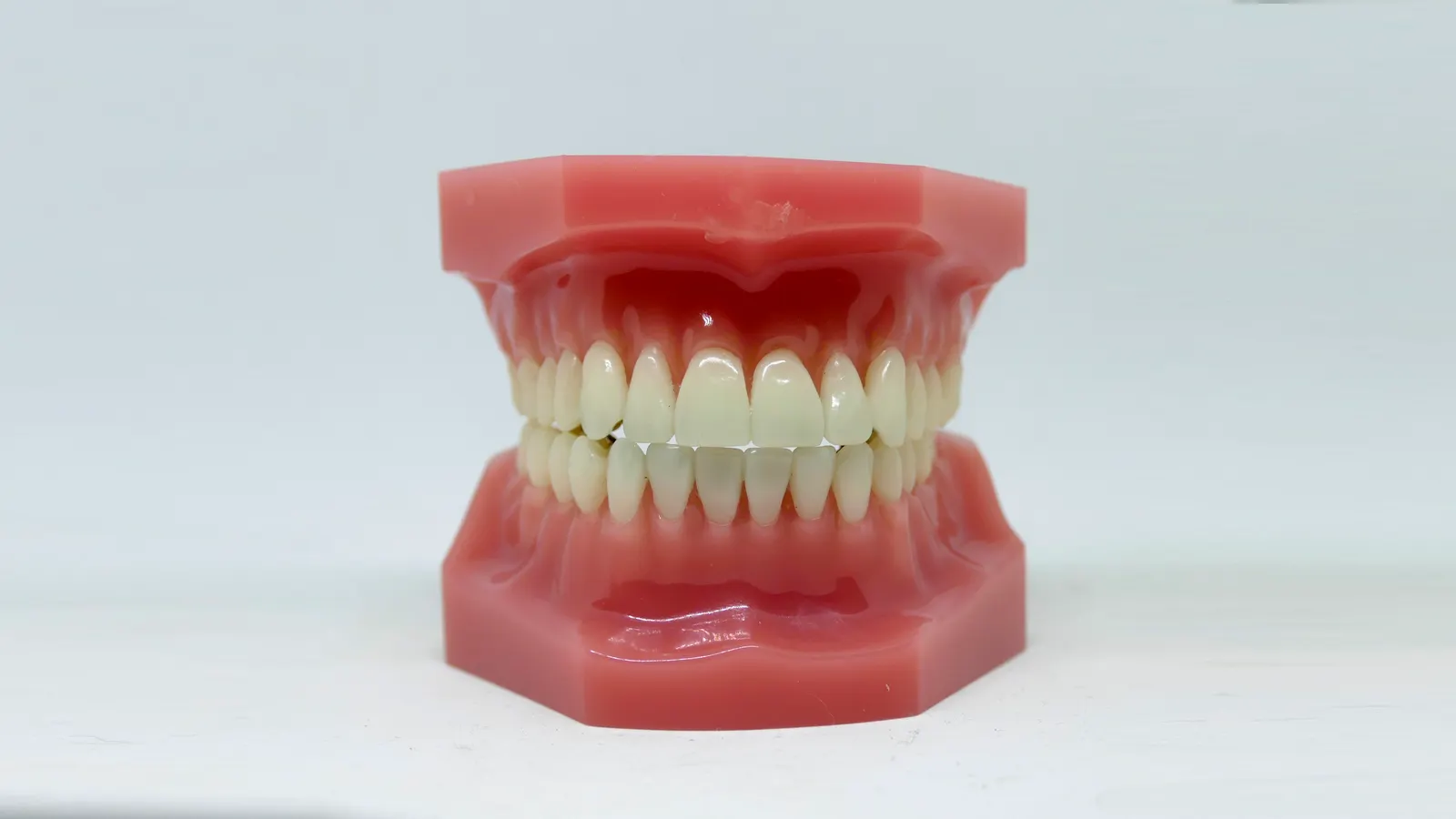
Possible meanings of a teeth-falling-out dream—and how to test them
People often connect dreams about teeth falling out with loss, lack of control, appearance, communication, aging, or change. Those are possible comparison points, not established messages. Use one only when the dream scene and a recognizable waking situation support it. Some people believe that dreams deliver fixed messages; that claim is not established. Even if the scene feels like a nightmare, do not assume it came from the subconscious as a warning or that it hides a deeper meaning. A detail does not automatically symbolize or signify a waking problem.
For example, one breaking during an impact creates a different question from several crumbling or starting to disintegrate without a cause. Covering your mouth while people stare gives a public-exposure reading more support than a private scene in which no one notices. A recent waking stressor is worth comparing only when a specific event and the dream scene actually match. If the proposed reading cannot explain what happened and what you did next, lower your confidence instead of forcing the image to fit.
What does it mean when your teeth fall out in a dream? Start with the event
Write one sentence that keeps the sequence: `A back molar loosened while I was eating; I caught it in my hand and looked for a dentist.` Do not replace `loosened` with `lost control`, `looked for professional help` with `feared change`, or the event with a message. Those may become possibilities later, but they are not remembered events.
Separate falling, crumbling, breaking, pulling, spitting out, discovering a gap, and worrying that one might fall. Also record whether there was pain, blood, pressure, numbness, sound, or no sensation at all. A stable description gives every reading the same evidence to explain.
The phrase “teeth falling out” can hide several different dream events. Naming the event first keeps a search from flattening loss, breakage, looseness, and fear that one may fall into the same story.
Use the TEETH check
Use this original five-part check: Type of tooth event, Exact mouth sensation, Event sequence, The response you chose, and History or waking source. Type names what happened. Exact sensation separates pain, pressure, texture, and absence of sensation. Event sequence tracks cause and consequence. The response records what you did. History checks dental sensations, recent appointments, conversations, images, and older memories.
Fill the five lines with observations first. Then write two possible explanations and one fact that weakens each. The method is designed to slow down a vivid image, not to decode it.
TEETH is an editorial recording aid, not a validated psychological test.
Check dental and jaw sensations after a teeth dream
After waking, note whether you felt tension in your teeth, gums, or jaw. Also note dry mouth, grinding, a retainer, recent oral work, sensitivity, or nothing unusual. Do not assume the sensation caused the dream, and do not diagnose yourself from a dream. Treat it as one possible source to compare.
Rozen and Soffer-Dudek surveyed 210 undergraduates about dream themes, dental irritation, psychological distress, and sleep quality. The reports were associated with tension sensations in the teeth, gums, or jaw upon awakening. The study did not find the same association with its psychological-distress measure. The authors described the evidence as preliminary. The design cannot prove that irritation caused any individual dream.[1]
Source for this section: reference 1
Tooth loss in a dream: one loose tooth versus many
Count only what you remember. A single loose one may focus the scene on a specific problem, decision, or physical sensation. If the dream involved losing several teeth, ask whether that changed your speech, appearance, ability to eat, or need for help. A knocked-out incisor during an impact adds an external event; several dissolving without a cause adds uncertainty about what is happening.
Ask what the number changed. Did you continue normally, hide the gap, collect them, call someone, or wake immediately? If a proposed reading ignores the scale and your response, it may be surviving on the familiar symbol rather than the actual dream.
Pain, no pain, and expected pain
Keep three categories separate: pain you felt, pain you expected, and no pain. Painless tooth loss can still be alarming because of what it might imply. Pain may direct attention to the sensation and the attempt to stop it. Fear of future pain is not the same event as pain.
This distinction matters when testing a waking comparison. If the dream centered on anticipation, a situation involving uncertainty may fit better than one involving an actual loss. If the pain was the center and you woke with jaw tension, a bodily source deserves attention. Neither pattern proves a psychological explanation.
When teeth fall out in front of others in a dream
An event in front of other people does not automatically mean fear of judgment. Record who noticed, what they did, and what you tried to protect. Did anyone react? Did you cover your mouth, ask for help, keep speaking, or continue unnoticed? A scene with someone else missing teeth is not evidence about that person's health or feelings; record only what appeared and how you responded.
A comparison with public exposure becomes more plausible when the dream actually includes being seen, evaluated, interrupted, or unable to communicate and when you recognize a similar waking situation. It weakens when no one notices and your attention stays on pain, counting them, or finding treatment. Appearance and communication are possible themes only when the scene supports them; location in the mouth is not enough.
After tooth loss in a dream: what did you do next?
The response can be more informative than the image. Seeking professional help, saving it, hiding it, showing it to someone, trying to put it back, or discovering that it regrew are different problems. Write the action as a verb and note whether it worked.
For example, `I wrapped it and searched for help` may invite a comparison with protecting something damaged, but only if a specific situation comes to mind. `I shrugged and kept eating` may make a crisis interpretation fit poorly. Do not make calmness mean acceptance or panic mean anxiety in general. Keep the response tied to what was happening.
Check ordinary sources before interpreting teeth dreams
List recent inputs: an unusual brushing or flossing routine, a dentist appointment, jaw soreness, a loose filling, a child's lost tooth, a news image, a conversation, a scene in a film, or checking your smile. Include older memories if the dream made one recognizable. A direct source does not prevent an interpretive comparison, but it should not be ignored.
A separate laboratory study asked 48 college students to identify waking sources for 469 dream reports. Participants frequently connected reports to specific past or future events, and many reports combined more than one source.[2] This supports looking for waking material. It does not show that these dreams predict dental problems, stress, death, communication trouble, or any other fixed outcome.
Source for this section: reference 2
Worked example: the tooth in the napkin
Consider this fictional report: `During lunch, a front tooth came loose without pain. I put it in a napkin. My friend kept talking and did not notice. I tried to remember the clinic's number.` TEETH records: one front incisor; looseness but no pain; eating, it falls, friend continues; save it and seek help; waking source unknown.
A bodily-source possibility remains, especially if there was waking jaw tension. A public-embarrassment reading fits weakly because the friend never notices and concealment is not stated. A practical-problem reading may fit the search for help, but it needs a recognizable waking situation. `I am losing control` explains little unless the dreamer can name what was becoming unmanageable and why these details match.
Compare readings with support and counterevidence
Make a small table with the remembered details down the side and candidate readings across the top. Mark which details each reading explains without rewriting them. A waking-sensation possibility may explain pressure and immediate awakening. A public-exposure reading may explain covering the mouth and other people's reactions. A recent-memory explanation may fit a recognizable clinic, conversation, or image.
Add one disconfirming question for each: `What would I expect if this were mainly about being judged?` Perhaps someone would notice, react, or evaluate. If that never occurs, lower confidence. A count is not proof. It prevents a familiar reading from winning while ignoring most of the scene.
Recurrent dreams about losing your teeth
For a recurring version, compare entries instead of merging them into one memory. Track the type of tooth event, mouth sensation, setting, people, response, waking sensation, and recent source. Preserve differences: one episode may follow jaw tension, another a dentist conversation, and another no identifiable source.
Use the same columns each time so a pattern can be checked. Repetition does not prove urgency, prophecy, trauma, or a single hidden message. It does give you a better denominator: three similar dreams with waking jaw tension support a different question from three dreams that vary completely. Keep later associations dated rather than editing the original entries.
Five common questions about teeth falling out in dreams
Does a teeth-falling-out dream mean anxiety or stress? Not by itself. The preliminary study cited here did not support that proposed explanation in its undergraduate sample. If insecurity or psychological stress comes to mind, treat it as a waking-life hypothesis and test it against the scene; the image alone does not establish either.
Can losing teeth in a dream predict a dental problem? No. A dream is not a diagnosis or prediction. Waking gum or jaw sensations are still worth recording as possible inputs, and real symptoms should be judged as real symptoms.
Does a single loss carry the same message as a complete loss? No fixed conclusion follows from either image. The number matters because it changes the event, its consequences, and the response that a useful reading must explain.
What if someone else loses their teeth in the dream? Record whose teeth they were, what you observed, and what you did. A recent conversation or image may be an ordinary source; if none comes to mind, leave that uncertainty visible. The dreamed scene cannot establish anything about that person’s health or feelings. Test any proposed reading against the whole scene rather than transferring it from a dream about your own teeth.
Does this dream predict death or bad luck? The studies cited here do not establish a prediction from a tooth dream. A family or faith tradition may give the image a particular meaning; identify that as a tradition rather than a research finding. If the idea matters to you, compare it with the remembered details and your own beliefs without treating the dream as evidence that an event will occur.
Protect health and privacy boundaries
A dream cannot diagnose bruxism (teeth grinding), gum disease, anxiety, or another condition. If you have real pain, swelling, injury, bleeding, a loose adult tooth, or persistent jaw symptoms, decide whether to seek care from the real symptom, not from an interpretation. A recurring dream that disrupts sleep can also be discussed with a qualified therapist or sleep professional without first assigning it a symbolic explanation.
When using a journal or tool, omit names and identifying oral or health details that are unnecessary. Do not paste someone else's dream into a service without permission. The useful outcome is a cleaner record and a fair comparison of possibilities, not certainty.
How to review a teeth-falling-out dream in three minutes
First minute: write the exact event and sequence. Second minute: complete TEETH and note any waking mouth or jaw sensation. Third minute: write two possible meanings, an ordinary-source possibility, and one counterexample for each. Label confidence with phrases such as `possible`, `fits several details`, or `not enough evidence`.
Return later only when a specific association appears. Add it as a dated note. Do not start with an interpretation of dreams that promises one universal answer. Avoid omen lists and universal claims. Teeth in dreams can be memorable, but the useful reading comes from what happened, how your body felt, what you did, and what you can actually connect to waking life.
Sources and scope
References support the statements identified above. The writing exercises and worked examples are editorial suggestions, not findings from these sources.
1. Naama Rozen and Nirit Soffer-Dudek. “Dreams of Teeth Falling Out: An Empirical Investigation of Physiological and Psychological Correlates.” Frontiers in Psychology 9 (2018): 1812. doi:10.3389/fpsyg.2018.01812. Read source
Preliminary self-report study of 210 undergraduates. Teeth dreams correlated with waking teeth tension, not the study’s direct teeth-grinding item or psychological-distress measure. Correlation, different reporting timeframes and the selected sample limit interpretation; no individual diagnosis follows.
2. Erin J. Wamsley. “Constructive Episodic Simulation in Dreams.” PLOS ONE 17, no. 3 (2022): e0264574. doi:10.1371/journal.pone.0264574. Read source
48 college students and 469 laboratory reports; participants identified possible waking sources retrospectively. This does not validate particular symbols or the editorial exercises.